

What Happens If The Car You Illegally Imported Gets Found Out
We don't condone shady dealings, but we can't deny that envy is real. Growing up, it stings a bit when our friends have cool things we don't. The same is true for some adults when it comes to cars that aren't available in the United States, but can be easily had by folks elsewhere. From headlight technology to safety and emissions standards to how fuel economy is measured, the U.S. has a legacy of playing by its own rules. And in 1988, Congress dropped the hammer on importing vehicles it didn't deem compliant with its regulations, resulting in a 25-year car import rule with a complicated history.
The Imported Vehicle Safety Compliance Act of 1988 makes it illegal to sell a car not factory-designed to comply with U.S. regulations, until that car is 25 years old. In brief, a confluence of American consumer trends and global economic factors came to a head in the 1980s. These conditions made it appealing for "gray market" luxury-car importers to undercut dealerships and sidestep safety and emissions rules. This displeased Congress and manufacturers alike, hence the law.
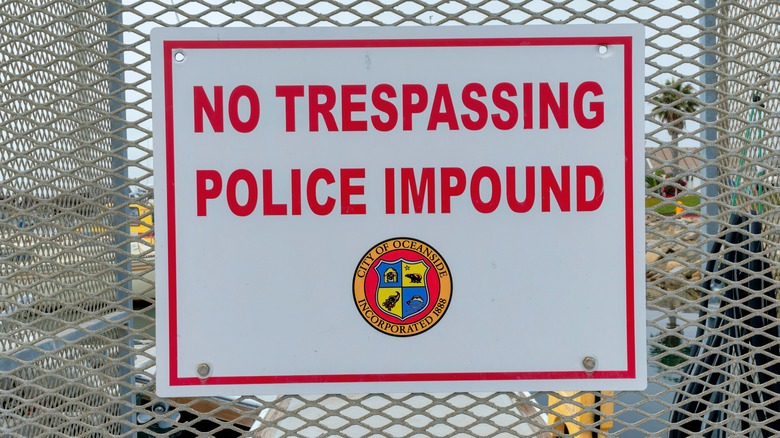
U.S. Customs offers an overview of the current importation process. If you don't follow the rules, and Uncle Sam finds out, you can face a hefty civil fine of up to $10,000 — and your car is subject to seizure and forfeiture. You'll be mailed a dated seizure notice, which includes a 30-day window to petition to get your ride back. Compliance, re-export, and destruction are all possibilities.
Appetite for destruction
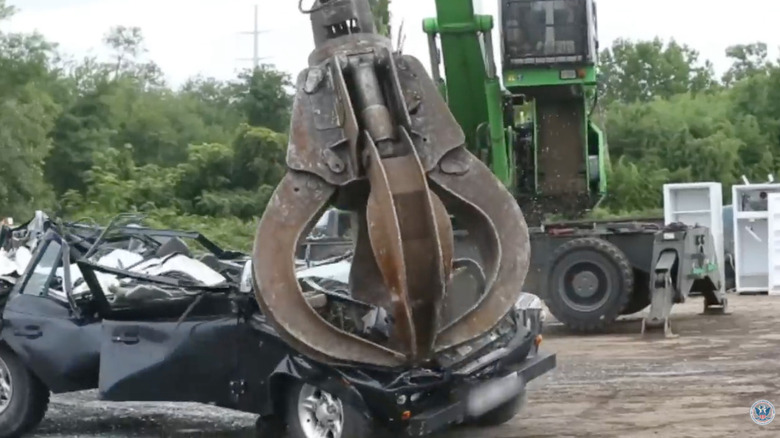
Starting with the worst-case forfeiture scenario, if an illegal importation case can't be resolved, the vehicle can be seized. Not only will Customs snag an offending vehicle, in some cases it will publicly, and somewhat gleefully, destroy it. Consider the fruits of Operation Atlantic, an ongoing joint effort between U.S. and United Kingdom law enforcement that sends vehicles in violation of the rules to the crusher. Grab your popcorn and behold the evisceration of an illegally imported Mini Cooper.
Car manufacturers also have skin in the game, because intellectual property can be at stake. Kei cars — petite and perfect for the smaller streets of Japan — are a popular platform for retro-style, tribute conversions. With fans in their home market and abroad, these kei kits can make newer Subarus, for example, look like old Volkswagens.
Keis built before 2000 are now eligible for U.S. entry, while the government is also currently spitballing whether today's kei cars make sense in the U.S., and should be sold new here moving forward. But when Tiki Bunny Imports, a company that specializes in imports from Japan and Australia, attempted in 2021 to legally import a 1996 Subaru Sambar kei car in a classic Volkswagen Type I Bus costume, Customs ran it by Volkswagen for copyright verification. The Drive reports that Volkswagen said "nein," and Das Sambar was kaput.
Loopholes and compliance

Destruction isn't the only destiny for illegally imported vehicles. Some loopholes and considerations exist for cars newer than the 25-year import rule typically allows. The National Highway Traffic Safety Administration (NHTSA) offers Show and Display resources for collectors and such. It also provides this handy document for bringing Canadian-market vehicles into the U.S. for personal use. It's relatively straightforward, so long as the car complies with U.S. regulations, with allowances for metric speedometers and Canadian headlights. Conceivably, something like an aftermarket exhaust would have to go if you deleted the catalytic converter, in which case you'd have to put it back on to bring the vehicle into compliance.
Even if it's possible, compliance isn't always practical for cars coming in from elsewhere. NHTSA itself notes that time and costs to bring a vehicle up to snuff may not be worth the trouble. And even a technically compliant car could get turned away and shipped back out for being dirty, as Customs states: "To safeguard against importation of dangerous pests, the U.S. Department of Agriculture requires that the undercarriage of imported cars be free of foreign soil. Have your car steam-sprayed or cleaned thoroughly before shipment."
Auction, exportation, and resources

If your illegal car is seized, can't be recovered or brought into compliance, and isn't crushed, it may also be forfeited for government auction, and tagged for exportation. Designated export auction items, such as seized vehicles that can't be lawfully registered in the U.S., go up for grabs internationally through Permitted Customs Brokers. Because these vehicles violate federal laws, the Treasury Executive Office for Asset Forfeiture gets involved, working with the U.S. Department of Homeland Security, and a third party company to run these auctions. The proceeds land in the Treasury Forfeiture Fund, which the Treasury says "are used for law enforcement activities and for restitution to victims of fraud."
A wonderful now-it's-your-problem regulatory byproduct of this whole operation is, the transaction comes only with a bill of sale that supersedes any other existing documentation. No title transfer, no records. Winning bidders have 60 days to ship their prize out of the country, or the vehicle goes back up for auction.
It's a timeless joy to ponder what 25-year-old cars you'd import. Meanwhile, if you have any questions about the legality of bringing your desired vehicle into the country, NHTSA recommends working with a professional, and even provides a list of Active Registered Importers who specialize in navigating the system. In addition to this, and the link to Customs above, the Environmental Protection Agency offers emissions-specific importing information.