

Why Affordable Steel Highway Guardrails Actually Cost More Long Term
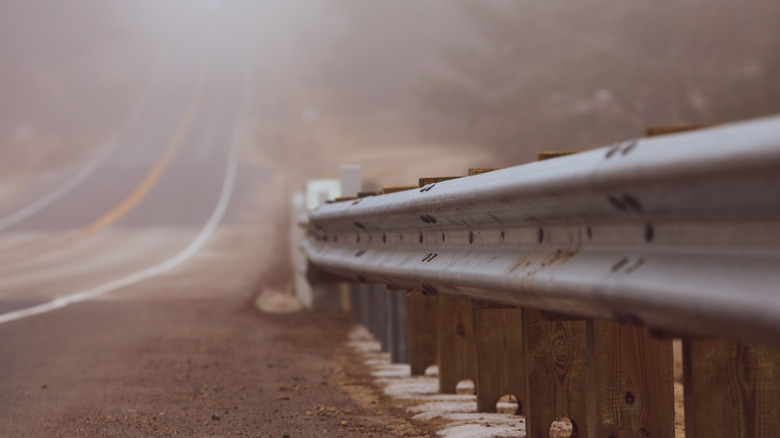
Highway guardrails are designed for one reason: to keep you from dying. They're just long strips of galvanized steel or concrete quietly standing between your car and a physics lesson you don't want to learn. A must, especially for the dangerous roads in the world. Their job is to absorb impact, redirect motion, and keep a bad crash from becoming a fatal one. But lately, the trend toward "affordable" steel guardrails has started to look a lot like false economy.
On paper, a low-cost guardrail sounds great. The price per linear foot can look appealing — about $10 to $30 for metal rails and $40 to $100 for concrete, depending on the region. The problem is that cutting costs means cutting corners. Thinner steel, subpar galvanization, and cheap bolts save governments money upfront but invite corrosion, cracking, and structural fatigue within just a few years. And when these budget rails fail, the "savings" disappear in lawsuits, repairs, and hospital bills.
Maintenance adds up fast, too. Regular repainting, section replacements, and inspection cycles can double lifetime costs compared to higher-quality materials. Worse, some of these cheaper models don't even meet crashworthiness standards or safety codes. Some dilapidated or defective guardrails can cause harm, injury, or worse, impale drivers like what happened in San Diego way back. Yikes. So while the accounts department celebrates another "cost-efficient" project, the engineering team knows better. You're just paying for failure in installments.
When 'budget safety' becomes expensive – and smarter alternatives
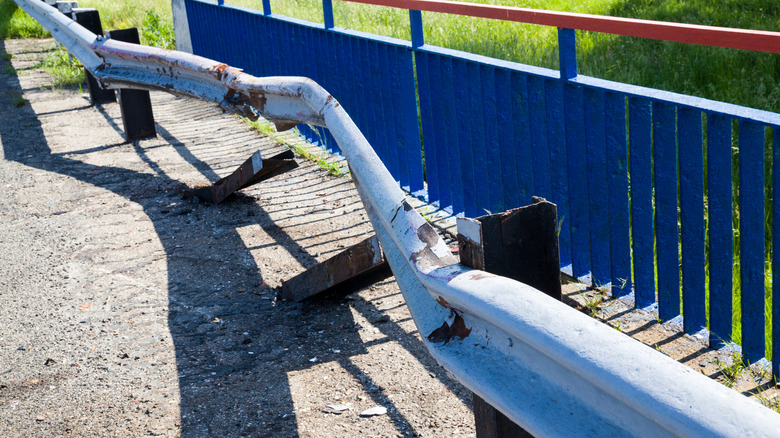
The dirty secret of infrastructure budgeting is that "affordable" rarely means "durable." Many low-cost guardrails are installed with the best intentions and the worst materials. When these fail, the repair costs don't just erase the savings — they multiply them.
Higher-grade steel with proper galvanization is a better material option than that "affordable" steel guardrail. It will last decades longer with its zinc coating protection from the elements and corrosion. Also, using galvanized rails can reduce maintenance cycles and overall replacement costs. It's the difference between changing your oil on schedule and rebuilding the engine later. Upfront, quality galvanized rails might initially cost more, but over decades of lifespan, they pay for themselves in reduced downtime and fewer catastrophic failures. Then there are smarter options altogether. Roller guardrails, for instance, use rotating barrels to absorb and redirect energy more efficiently, minimizing both damage and injuries. Another option like modular bollard systems are proving effective in urban zones, offering easier section replacements and lower lifecycle costs.
Ultimately, "cheap" guardrails don't stay cheap. A lot of badly installed and Frakensteined guardrails harm on road users — the exact opposite of their purpose. So while public agencies keep chasing budget wins, the math doesn't lie. The yearly amount in maintenance and public cost skyrocket after constructing it. Investing in better quality guardrails save both money and lives. It's one of those rare cases where the most expensive option is actually the most affordable one.