

Torquing Your Wheels Is Crucial, But Where Do You Actually Find The Spec?
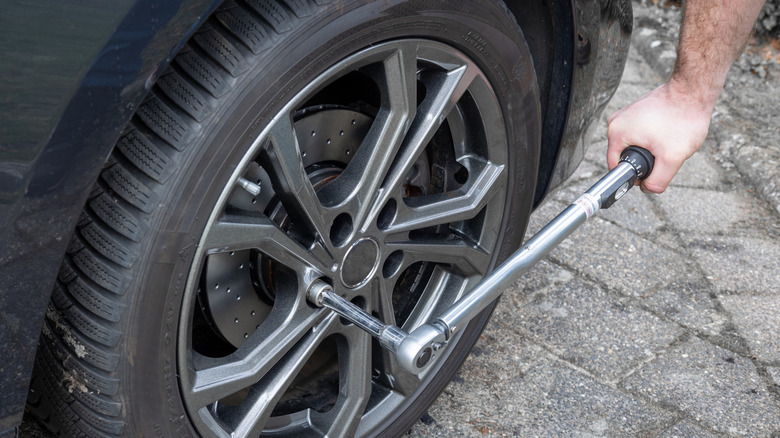
Most people think tightening wheels after fixing a flat tire is simple — grab a wrench, lean on it until your shoulder pops (ouch!), and call it a day. But wheel torque isn't just about brute force -– it means applying an exact and specific amount of force to the lug nuts, as recommended by the manufacturer. Wheel torque is usually measured in pound-feet, and when you hit the sweet spot, the wheel stays secure without crushing the hardware. Too loose, and your wheel could walk itself off the studs. Too tight, and you risk warped brake rotors, damaged lug nuts and wheel studs, or even cracked alloys if you've gone aftermarket.
While proper wheel torque is critical for any vehicle, it's especially important today, because modern wheels aren't the beefy steelies of decades past. New-generation wheels, like aluminum alloys and even carbon-fiber composites, leave less margin for error, and over-torquing alloy rims can cause severe damage. Torque specifications are calculated based on a variety of factors, including the material type, joint design, load demands, and environmental conditions. That's why tight enough is no longer good enough.
Here's the catch: most people know you should torque your wheels, but ask 10 people where to find the spec, and you'll get 12 answers. Some trust online charts, some go by feel, and some just crank it until the wrench will no longer turn. But if the difference between safety and disaster comes down to numbers, where do you actually find accurate wheel torque specs?
Where to find wheel torque specs
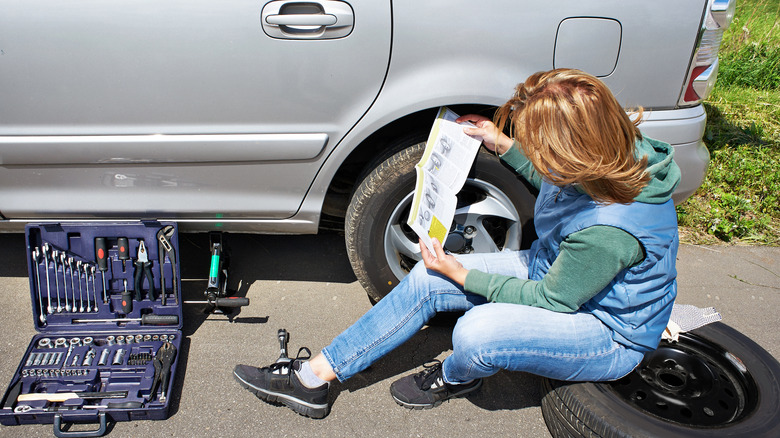
If you're hunting for torque specs, the first place to check is boring but reliable — your owner's manual. Automakers usually list lug torque values right there in black and white. Beyond that, the official factory service manual will always have the spec, though it's often hidden behind paywalls.
Aftermarket companies like BBS and Enkei sometimes publish their own torque guidelines, because distinct alloys and wheel designs distribute stress differently. If you're swapping to aftermarket hardware -– say, conical vs. ball-seat lugs –- you need to double-check that you're not just reusing the OEM spec blindly.
And then there's the internet, which is both a blessing and a curse. Some websites publish torque charts. They'll usually get you in the right ballpark, but those charts are often generalized by lug size and thread pitch. A Toyota Camry and a Honda Accord may both use M12 studs, but they won't necessarily share the same torque requirement. That's why online forums –- from Reddit to brand-specific boards –- are full of debates about "real" torque numbers.
Overall, original equipment manufacturer (OEM) sources are best. Aftermarket guidelines matter if you've swapped wheels. Online charts are a backup plan, not the gospel truth.
Getting it right in practice
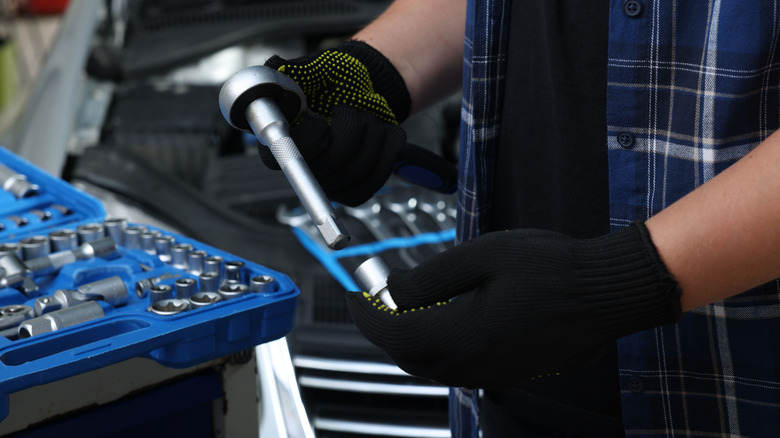
Knowing the torque spec is only half the job –- actually getting it right in practice is where many people screw up. Shops love impact guns because they're fast, but buzzing lugs until they feel tight isn't precise. In fact, less-reputable shops often over-torque wheels, which can fuse lugs to studs or make your next roadside tire change a nightmare. The proper way is old school — use a calibrated torque wrench to tighten lugs in a star pattern.
There's also another step that many people skip — the re-check. Lug nuts can loosen slightly after the first 50 to 100 miles as a new wheel seats itself against the hub. That's why tire shops often tell you to come back for a re-torque service after purchasing new rims, though few customers actually bother.
That isn't about being obsessive, it's about physics. Torque specs aren't trivial. In fact, virtually every fastener on your car must be tightened properly, meaning you even need to torque your oil drain plug. Proper wheel torque can make the difference between driving home safely and starring in a viral clip of your wheel overtaking you at 70 mph. So, get the spec, grab a torque wrench or that fancy $5,000 electric torque gun if you own a Porsche with center lock wheels, and do it right. Your car -– and everyone around you –- will thank you.