

How To Tell If Your Catalytic Converter Is Clogged (Before It's Too Late)
We may receive a commission on purchases made from links.
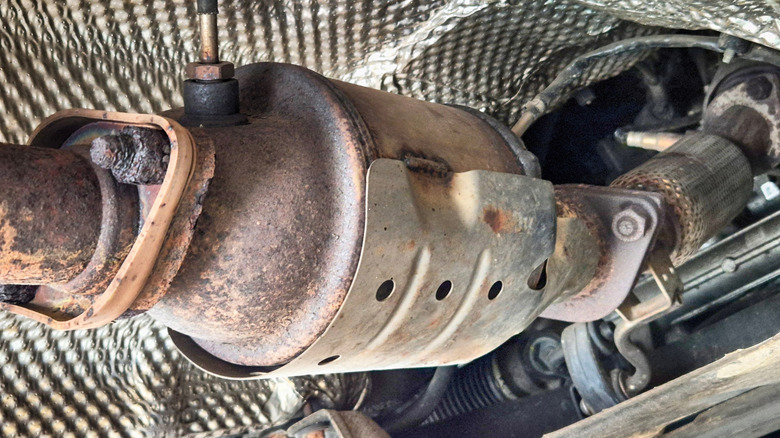
The catalytic converter is a non-serviceable part that can last well beyond 100,000 miles; or, in some cases, the entire life of the vehicle, provided the engine receives proper care. Inside the cat converter (or simply "cat") is a honeycomb structure of precious metals, including rhodium, platinum, and palladium, which is the target of thieves and is why cat converter theft continues to make headlines. Those metals convert toxic exhaust gases, such as carbon monoxide, lead, and nitrogen dioxide, into much safer carbon dioxide and water, helping lower emissions at the tailpipe.
However, the catalytic converter can get clogged after many years of use and abuse. The most noticeable symptoms include hard starting, mediocre acceleration, engine misfires, lackluster fuel economy, failed emissions tests, and an illuminated check engine light accompanied by P0420 or P0430 error codes. Another symptom is a sulfuric exhaust smell or a strong aroma of rotten eggs, which may indicate that the cats are clogged or are chemically degrading.
The good news is that a clogged catalytic converter does not necessarily mean that the catalysts are going bad. The bad news is that clogged cats will cause more exhaust backpressure, which will hinder engine performance and eventually lead to overheating and other costly damage. It's why you need to address a bad or clogged catalytic converter ASAP before it causes more problems later on.
What causes clogging or blockage of the catalytic converter
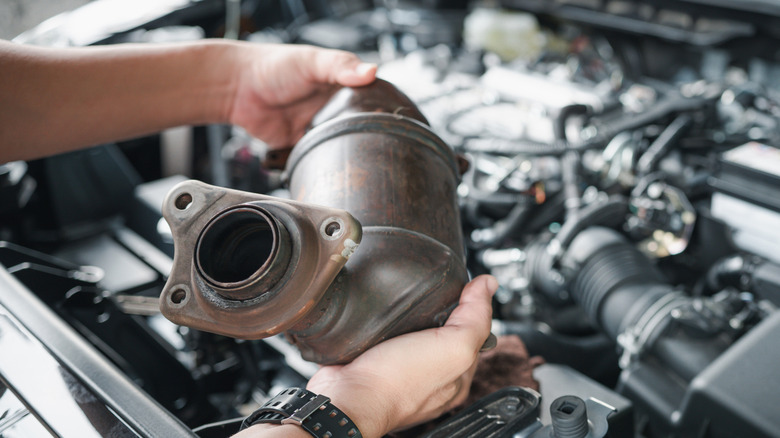
Despite its reputation for durability and longevity, the catalytic converter can fail, wear out, or get clogged inadvertently way earlier than its intended lifespan. Defective spark plugs can cause misfires, allowing more unburned fuel to reach the exhaust and catalytic converter, which leads to particle buildup and eventual blockage. It's why changing the spark plugs at the proper intervals helps prevent early wear of the catalytic converter.
Meanwhile, a filthy air filter can cause a richer air-fuel mixture, which allows unburned fuel to reach the exhaust. A leaking head gasket can allow oil or coolant to enter the combustion chamber, producing dirtier exhaust gases. When this happens, the catalyst can get clogged or permanently damaged. Furthermore, contaminants from substandard gasoline can burn through the exhaust and coat the catalyst with soot and particulate matter.
In some cases, the honeycomb substrate can break down due to wear and aging, allowing broken pieces of the catalyst to migrate towards the tailpipe, which can cause further blockages and backpressure. At that point, you'll notice rattling sounds or loud, hissing noises coming from under the car when accelerating, indicative of excess backpressure and severe clogging.
How to de-clog your car's catalytic converter
A clogged catalytic converter does not mean your car is heading to the scrap heap. Then again, you'll need to determine if the cats are just clogged, or have deteriorated to the point of needing an expensive replacement. The latter will cause a significant dent in your budget, as replacing a catalytic converter can cost between $300 and $2,500 before labor charges, depending on the vehicle and engine size.
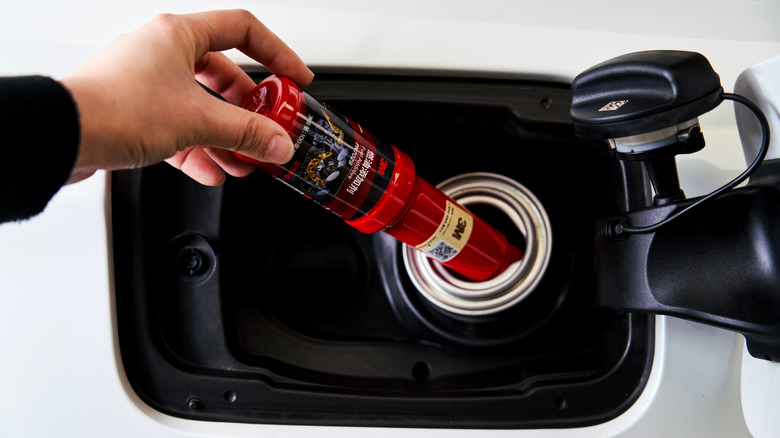
Once the check engine light turns on and the P042 or P043 error codes are present, your first recourse is to use fuel additives and hope they work in cleaning the catalyst. Products like the Cataclean Fuel & Exhaust Cleaner and Motor Power Care Catalytic Converter Cleaner are relatively cheap and easy to use. Pour the contents into your car's fuel tank (filled with at least half a tank of fuel) and drive normally, allowing the product to work its magic.
You can also remove the catalytic converter, soak it in degreaser overnight, and pressure wash with clean water. However, this is not a DIY fix, and would require the care and expertise of a professional mechanic. If the catalysts are mildly clogged and are causing the check engine light to turn on, using a cat cleaner might do the trick. Prepare yourself for the worst if the honeycomb substrate is burnt or has broken into chunks, which necessitates a costly replacement of the entire catalytic converter.