

What Causes Foggy Headlights (And How Can You Fix Them)?
We may receive a commission on purchases made from links.
Whether you're reading this because you're a registered gearhead and like to know about wrenching, or because you Googled "why are my headlights yellow," you could probably learn about foggy headlights. Especially if you're like so many of us nerds who own older cars. Yellow, foggy headlights look terrible and can drastically age the look of a car, no matter how good looking the rest of it is. However, fixing them and restoring your headlights back to their original transparency will completely bring your car back to life.
It isn't only for looks, either. Foggy headlights are dangerous, as they limit the distance your headlights will illuminate, thus reducing forward nighttime visibility. They even reduce other cars' ability to see you at night. So if your lamps are looking tired and old, let's look at why it happens and how to fix them, so you can prevent it in the future.
What causes foggy headlights?
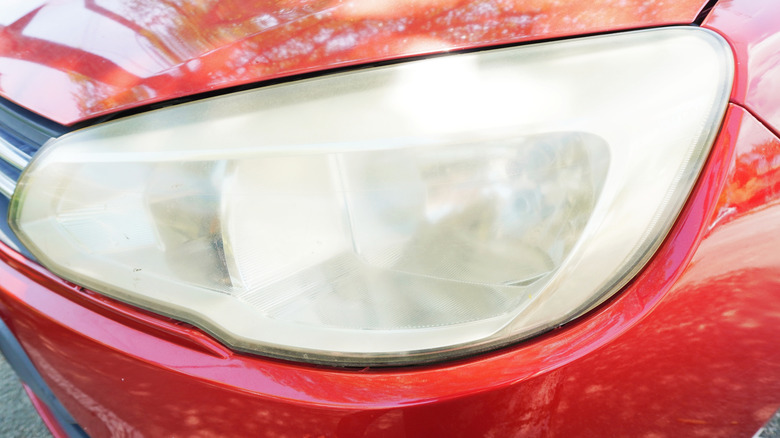
Oxidation. That's the short answer. Most modern headlights are made from polycarbonate and given a protective ultraviolet (UV) sealer coating at the factory. Over time, that clear coat wears away; the sun, debris, and wintertime road salt can all play a part in wearing the protective coating down. Once it's gone, the sun's UV rays will begin damaging the polycarbonate headlights through oxidation.
This can and will happen to most plastic headlights over time, but it can be worsened by other outside factors. If you use harsher soaps to clean your car, they can damage the clear coat and speed up that oxidation process. Consistently high temperatures can make it worse, too, so if you live somewhere like Arizona, where summer daytime temperatures can border on uninhabitable, your headlights can suffer. Or if you live where winters are harsh and road salt regularly peppers your car's face, you can expect faster headlight clouding.
Cloudy headlights are no joke, either. In a 2018 study, AAA said that cloudy headlights can reduce brightness by 80%, which is incredibly dangerous. And it doesn't only happen to old cars. According to that same AAA study, depending on outside conditions, headlights can yellow and fog up within three to five years.
So cloudy lamps are not only unsightly and make people not want to be friends with you (okay, maybe that part is just in my head), but they're also dangerous. Thankfully, it's relatively easy to fix, if done correctly.
How to restore foggy headlights
Let's start with what you shouldn't do. Don't use acetone. While acetone is great for cleaning glass, cars haven't used glass headlights in decades. Acetone is a strong solvent and will damage the plastic, leading to nasty long-term effects. While it can look good immediately, the damage it causes to the headlight isn't worth it in the long run. Same goes for bug spray, as DEET will similarly damage the plastic. Some DIY hacks like baking soda aren't bad. Toothpaste works, too; they're both abrasive enough to get the job done.
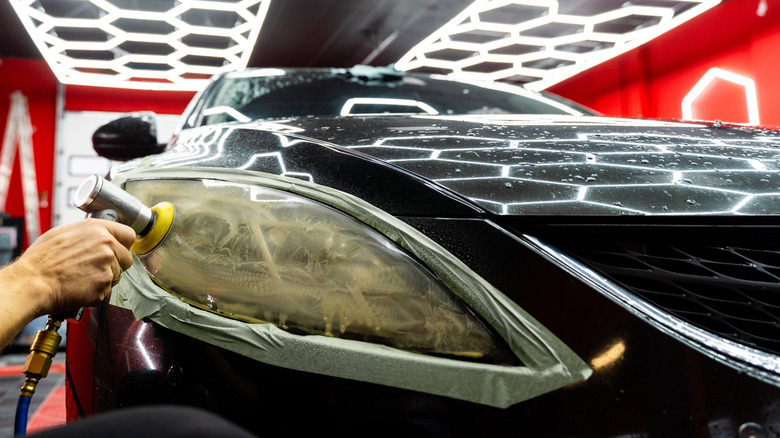
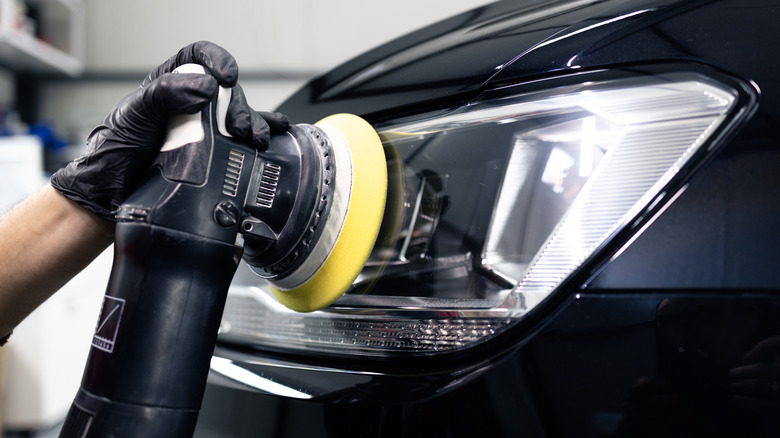
The best methods, however, involve some polishing compound and good old-fashioned elbow grease. You can go about polishing your headlights in a few ways, such as buying a headlight restoration kit like 3M's Ultra Headlight Restoration Kit, using a traditional polishing compound and orbital polisher, or even wet-sanding with fine-grit sandpaper. Essentially, you want to polish the headlights to remove surface-level oxidation.
Here's the most important part, though: you must seal the headlights afterward. Regardless of your restoration polishing method, your headlights will lose their protective clear coat, so they'll just oxidize again, but even quicker this time. To prevent that, a new protective layer is necessary. There are countless products that can be applied for such protection, such as paint protection film, or Cerakote or other ceramic coats. Both types of protection can be applied on your own, or by a professional.