

Alpine Will Shutter WEC Hypercar Program After 2026
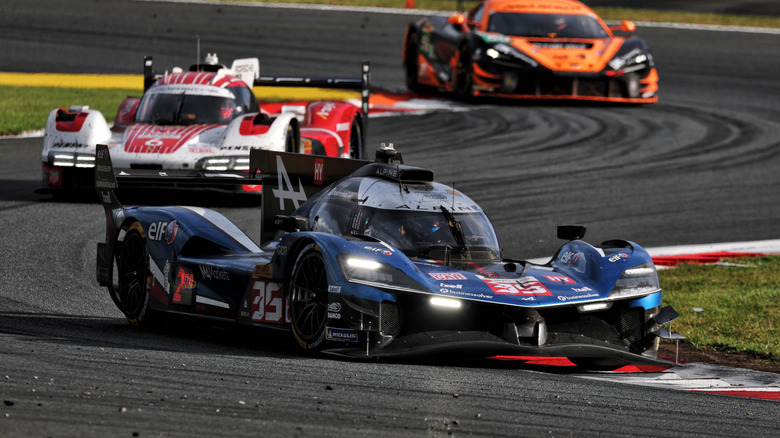
Alpine debuted a Le Mans Hypercar of its own creation in the FIA World Endurance Championship only two years ago. The French brand even brought a minority stake in Signatech, the team that raced its cars, as a sign of its long-term commitment. Alpine announced on Thursday that it will be withdrawing from the championship after the 2026 season. I don't know anyone who would describe three years as long-term.
The Alpine A424 hasn't seen much success after two seasons of competition. The program's highest achievement was its lone race victory at last year's 6 Hours of Fuji. Despite failing to finish higher than tenth at Le Mans, the car also collected three podiums at other WEC events. Instead of continuing to fight an uphill battle in endurance racing's congested top class, Alpine decided it would be best to solely focus on Formula 1. The brand's Grand Prix results are just as lackluster, but F1 has a much larger audience. Alpine CEO Philippe Krief said in a release:
"We have had to take hard decisions to protect the long-term ambitions of Alpine. On one side, the automotive industry – and particularly the EV market – are growing slower than expected. On the other side, to succeed for the long-term we must continue our ongoing investment into the Alpine product portfolio and Alpine brand. The result is we must take decisive actions to create a brand with a sustainable future."
The end of the road for a decorated F1 engine-builder
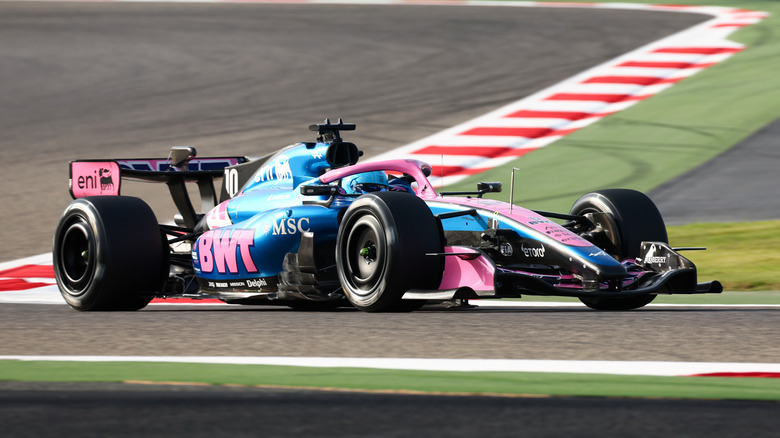
With Alpine's departure from the WEC, Renault's Viry-Châtillon factory will no longer be directly involved in motorsport. The facility, now referred to as Alpine Tech, will become an applied engineering arm for Renault and contract out the workforce's expertise to external businesses. It's not clear if every employee at Viry-Châtillon will be retained. The company noted that it has started "an employee protection plan" to move personnel into other roles, allow them to retire early or depart voluntarily.
The factory at Viry-Châtillon has been a key component of Renault's motorsport operations for decades. It's where the automaker developed Formula 1's first turbocharged engine during the 1970s. The engines built in the Parisian suburb helped win 12 World Constructors' Championships over three decades. The 1990s Benetton and Williams title-winners, Alonso's mid-2000s factory Renaults and Vettel's 2010s Red Bulls were all powered by Viry-Châtillon engines. However, Alpine decided to stop racing with an in-house power unit and become a Mercedes customer for 2026.