

Ceramic Vs. Carbon Window Tint: Which Is Better For Keeping Your Car Cool?
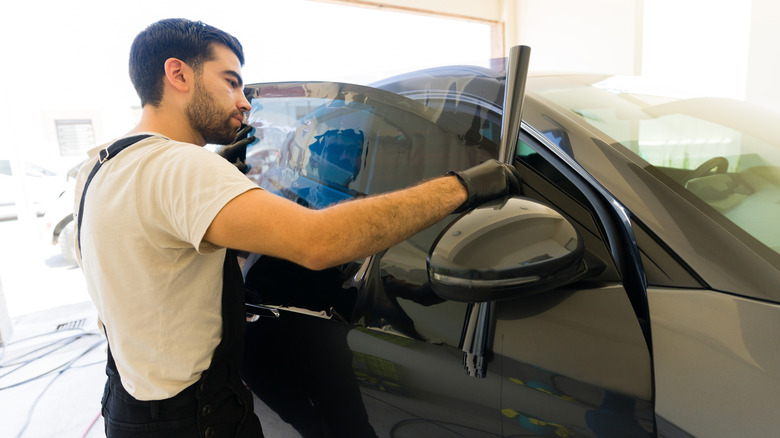
Window tint is one of those mods that feels simple and makes your ride look good –- but what if you want something that helps class up your car and keeps the heat out? Now you're choosing between carbon tint and ceramic. One is newer tech, the other cheaper. Both promise cooler interiors and glare reduction, but which actually works?
At the core, it comes down to how well each material handles infrared radiation, which is what really heats up your car's interior. While visible light affects how bright things look inside, it's infrared that makes your seatbelt buckle feel like a branding iron. Carbon tint absorbs heat and blocks some IR. It's effective, up to a point. Ceramic, though, uses non-metallic nanoparticles to reflect and reject a higher percentage of IR heat before it ever enters the cabin. Carbon films typically block up to 60% of heat, while ceramic hits up to 95% –- a measurable jump.
UV protection? Both are solid there, and either can be expected to block about 99% of harmful UV rays. When it comes to heat rejection, however, it's already looking like ceramic is more than just marketing hype.
Cabin heat tests don't lie
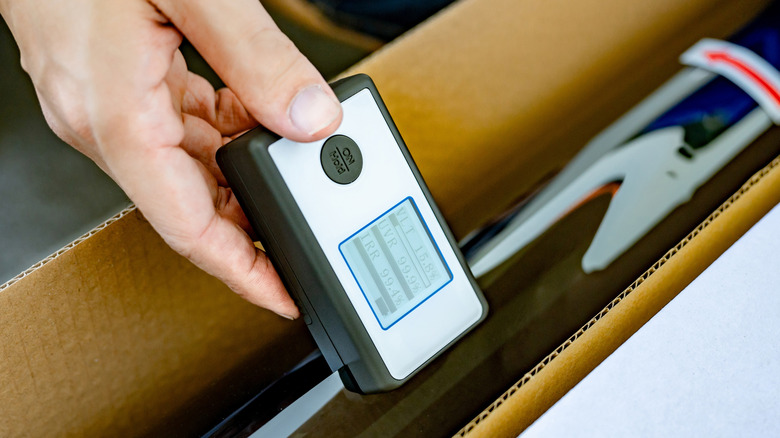
Real-world numbers tell the story. Blackout Tinting tested both types of tint and found that in identical vehicles parked side by side in peak summer heat, ceramic tint kept cabin temperatures roughly 13°F to 18°F cooler than no tint.
Held back by limited data, Shell Shocked Wraps decided to conduct controlled thermal lamp tests. That experiment found that ceramic films kept surfaces around 97°F while carbon-tinted samples reached 118°F, which is the difference between tolerable and unbearable. For EV owners, the gains are even more meaningful. Shell Shocked Wraps also reported that ceramic tint reduced HVAC energy consumption by around 16 to 18%, translating into 25 to 27 extra miles of range per charge in certain conditions. Cabin cooling was faster too -– especially after sitting in full sun.
Tint forum threads and Reddit posts back up the perception that ceramic just feels cooler, faster, especially on long sunny days. It won't stop heat soak entirely, but it slows the buildup more effectively than carbon. When applied across side windows, rear glass, and windshields – where direct sun exposure is most intense — it won't stop heat soak entirely, especially when parked for hours, but it slows the buildup more effectively than carbon.
Price, durability, and real-world tradeoffs
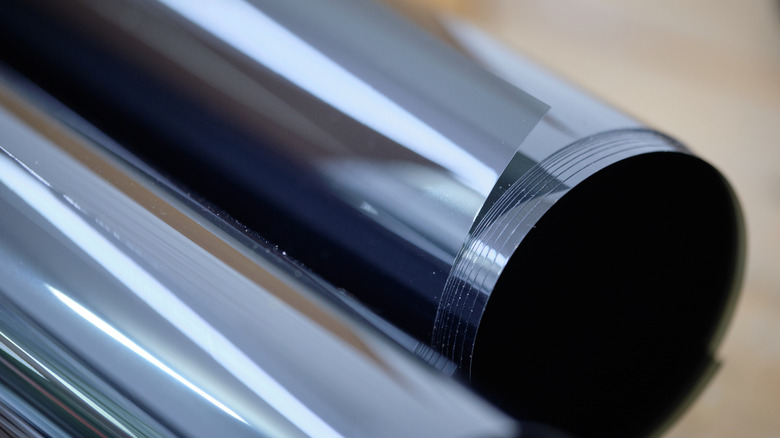
So the answer might feel simple now, right? Ceramic wins. Still, it's not that cut and dry when cost and context enter the chat. Ceramic tint costs more — often twice the price of carbon depending on your installer and location. Carbon tints can be around $150 to $400 while ceramic tints can cost you $500 to $900. That's not always budget-friendly, especially when you're already dropping cash on a full tint job.
However, what you get for that money is better clarity, especially at higher tint percentages, and longer performance life. Carbon tint has been known to fade slightly over time. Ceramic holds up longer and resists hazing or purple shift, so you don't have to redo the job later. Both tints are signal-safe, meaning no interference with GPS, cell signal, or radio reception -– unlike some older metallic films.
If you're living where the sun hits hard year-round –- Arizona, Florida, Nevada –- ceramic is likely worth every cent. Same goes if you drive a lot, park outdoors, or just hate sweating through your seat bolsters every afternoon. That said, if your car lives in a garage and you just want basic heat and UV protection for a decent price, carbon still gets the job done.
Like a lot of car mods that may look good, it's not always about specs. It's about what you can live with, what you can afford, and how much you hate getting scorched every time you touch the steering wheel.