

How To Tell If An Odometer Has Been Rolled Back
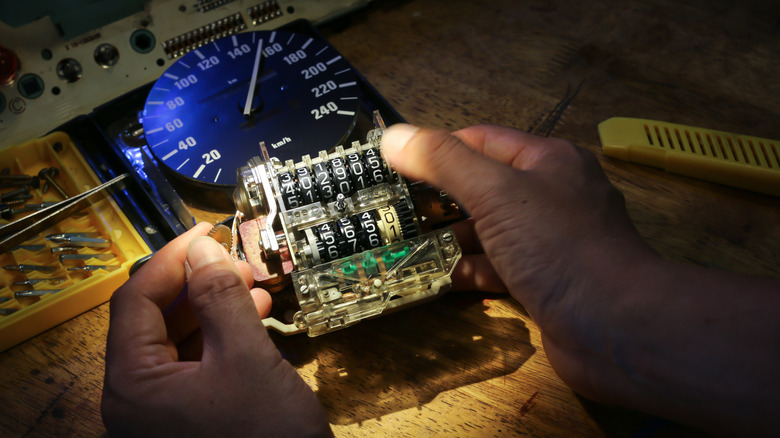
Odometer tampering might not make it to our list of the 10 worst car scams, yet a lot of car buyers still fall for it. If you come across a low-mileage used car that seems like a one-in-a-million find, it could be a high-mileage car that's had its odometer rolled back.
An odometer records the number of miles covered by your car. Odometer tampering is manipulating the odometer to inflate a car's resale value by displaying lower than the actual mileage. Your might think that odometer rollback scams disappeared with the advent of digital odometers, but that's not the case. Odometer tampering cases are on the rise despite it being a crime. It is done in cars with both mechanical and digital odometers, and in many cases, more than tens of thousands of miles are rolled back. For example, you could be looking to buy a car with 40,000 miles on the odometer when it actually has covered 80,000 miles.
The implications of odometer tampering are huge. Buyers end up paying a lot for a low resale-value car and later have to deal with repairs stemming from the wear and tear caused by excessive mileage. There are ways to identify this scam. Common ones are to compare the car's condition to its displayed mileage, and to check service records and vehicle history for any mileage discrepancies.
Ways to detect odometer tampering
If it's too good to be true, maybe it isn't. If you come across a car with exceptionally low mileage for its model year, it's a good idea to thoroughly check for odometer tampering before you finalize the deal. Inspect the car in person for wear and tear inconsistent with the mileage on display. Look out for signs of wear on frequently touched areas like the steering wheel, gas and brake pedal and seats. A shiny steering wheel and gas- and brake-pedal pads, or a saggy seat, are indicators of wear and someone having spent a lot of time behind the wheel.
Check the condition of the tires and brakes and compare them to the car's mileage. Tires typically last from 30,000 to 80,000 miles, depending on their make and manufacturer. If a car's odometer shows 25,000 miles but its tires have been replaced, it's good to ask why. You can know if the tires are new by checking the Department of Transportation tire identification number on its sidewall, where the last four digits indicate the week and year of manufacture. Ideally, this car's tires should have come from the factory.
The same goes for the brakes. These typically last between 30,000 and 35,000 miles, and a history of brake replacement on a low-mileage car should raise red flags. This one is difficult to identify unless you're given a service record mentioning the replacement or have a mechanic check the brake pads' condition.
Trust your eyes
Check the car's complete service history and look out for discrepancies in mileage. A sudden drop in mileage or mileage mismatch could mean odometer tampering. If the seller can't furnish records, check with the dealership or mechanic where they claim to have serviced the car, or on websites such as the National Motor Vehicle Title Information System. A lack of records is a can of worms you should walk away from. But service history doesn't absolve a car — it's easy to forge service records. Car dealers can be unscrupulous, too, like this crooked dealer who scammed the buyer of a Mercedes-Benz G-Wagen.
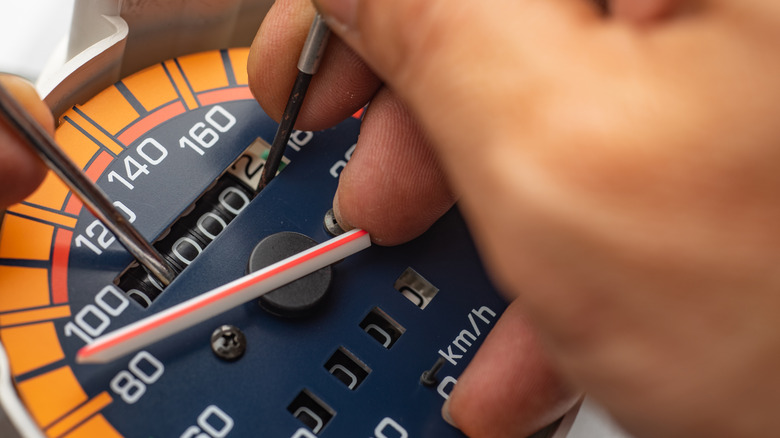
You can also look for signs of odometer tampering on the dashboard. Check for scratches on the instrument cluster or its surrounding screws. These could be signs that the cluster was removed to tamper with the odometer. If it's a mechanical odometer, look closely to see if the numbers align perfectly or if there's an abnormal gap between the numbers. These are signs of a tampered odometer.
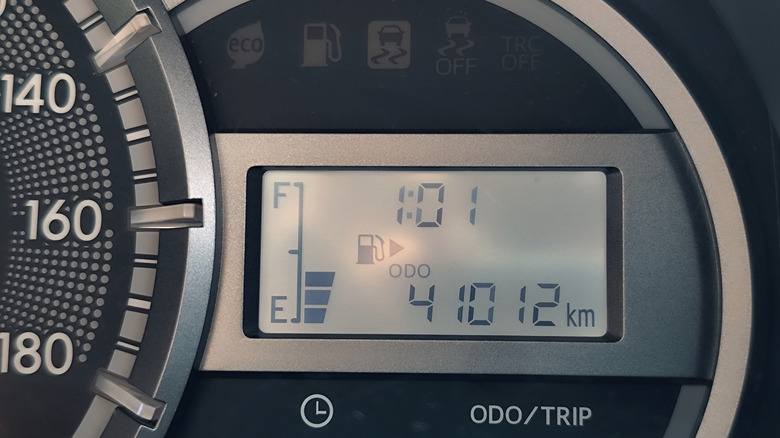
It's harder to visually detect tampering on digital odometers, as they don't have moving parts. For modern cars with digital odometers, it's a good idea to get the Electronic Control Unit (ECU) scanned at a reputable workshop. A car's ECU stores mileage data in multiple places, so the ECU could reveal a mileage number that doesn't match the one shown on the dashboard. Scanning the ECU will cost $75 to $150, but it's worth paying for if you're looking to buy a high-value car.